
Mould removal · Walsrode & HeidekreisMould is more than a stain
Indoor mould endangers your health, looks unsightly and penetrates deep into the building fabric if left untreated. That is why it is important to react as soon as you see the first signs.
Permanently mould-free
We know mould inside out and support you with professional measures for reliable removal. The first step is always the cause – if you only treat the surface, the mould will soon be back.
- 01Find the causeMould is only a symptom. That is why we always start with a special moisture measurement.
- 02Document properlyWe inspect the damage on site and record the cause in a traceable way – helpful for tenants, landlords and property managers.
- 03Advise in detailWe explain which measures are needed for permanent removal – and what you can do yourself.
- 04Fix it permanentlyFrom a simple surface treatment to more extensive refurbishment – tailored to the cause.
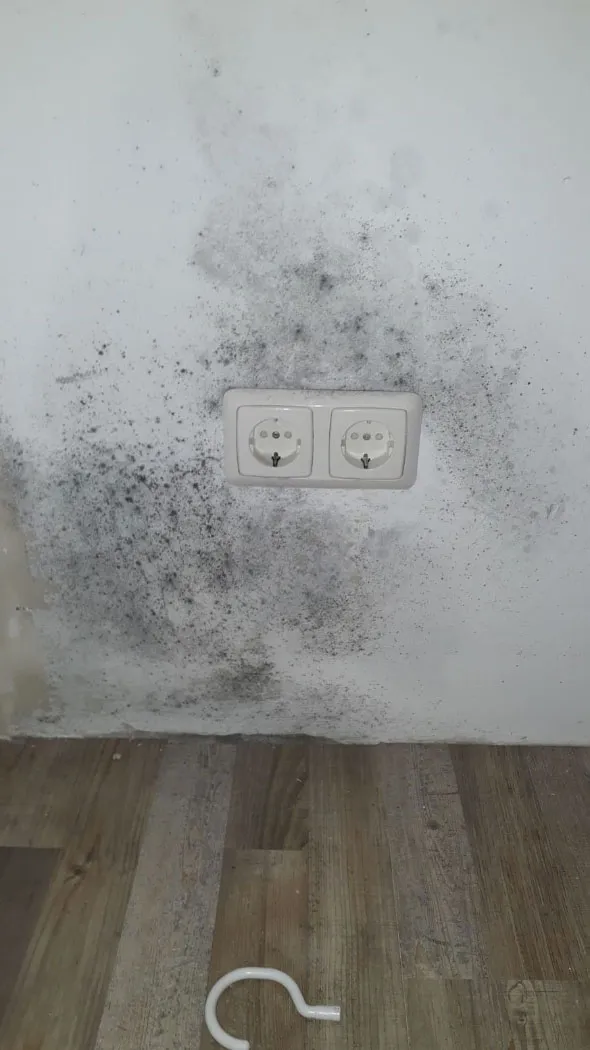
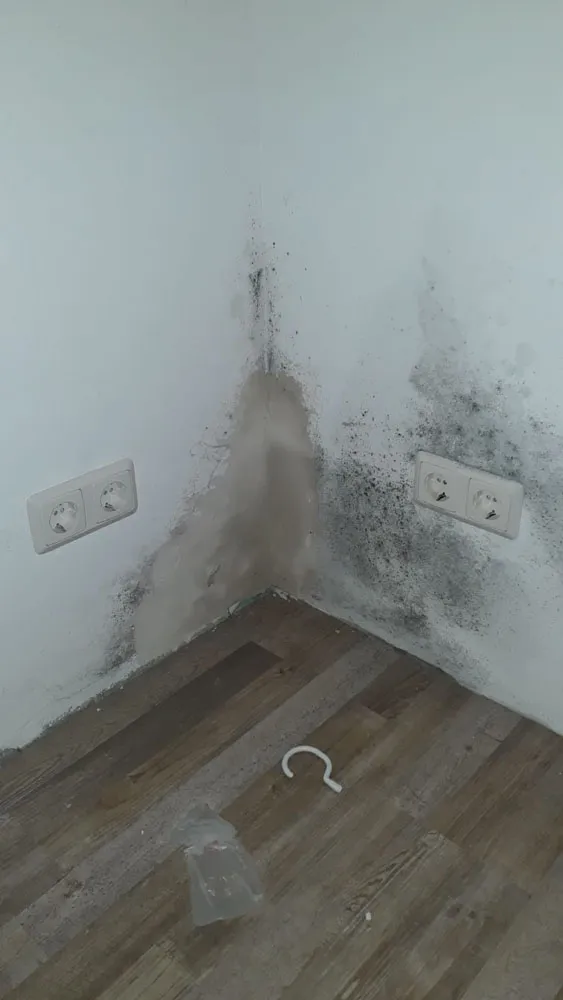
How to recognise mould
Mould does not always show up as a big stain straight away. Look out for these signs:
Dark spots
Grey, black or greenish dots – often in corners, behind cupboards, on window reveals or around sockets.
Musty smell
A damp, earthy smell, even when nothing is visible yet.
Damp patches & peeling paint
Discoloured areas, wallpaper coming loose or paint flaking off.
Dark silicone joints
Black spots in bathroom and window joints that keep coming back.
Where does mould come from?
Above all, mould needs one thing: moisture. The most common reasons:
Too much humidity
Showering, cooking, drying laundry and breathing put a lot of moisture into the air. If it is not ventilated away, it condenses on cold surfaces.
Cold spots (thermal bridges)
Outside corners, window reveals, lintels or poorly insulated walls stay colder – this is where moisture settles first.
Furniture on outside walls
Cupboards placed right against an outside wall stop the air from circulating; the wall behind stays cold and damp.
Water damage & damp masonry
Leaking pipes, damage after a flood or moisture in the masonry. Then the cause has to be fixed first.
Fixing the cause is usually very individual. If it is a leaking pipe or the masonry, for example, we will tell you honestly and discuss what needs to happen first.
Found mould? What you can do now
- Take photos of the affected areas – they help us with a first assessment.
- Air the room several times a day with the windows wide open for a few minutes instead of leaving them tilted.
- Move furniture a few centimetres away from outside walls.
- Do not brush mould off dry and do not simply paint over it – that spreads spores and hides the problem.
- For larger areas or recurring mould, get a specialist in.
More tips on heating and ventilation (in German): „Richtig heizen, richtig lüften“ (opens in a new tab)
For landlords & property managers
Mould in a rented flat? We inspect the damage on site, determine the cause and document it with photos – a factual basis for talking to tenants and for further planning.
Services for properties
At home in the Heidekreis
Our business and showroom are in Walsrode. From here we work throughout the region for you.
- Walsrode
- Bomlitz
- Bad Fallingbostel
- Soltau
- Schwarmstedt
- Visselhövede
- Rethem (Aller)
- Verden (Aller)
- Rotenburg (Wümme)
- Celle
- Hannover
Frequently asked questions
What should I do about mould on the wall?
Do not simply paint over it. Raumwerk Schmitz inspects the damage on site, determines the cause with a moisture measurement, documents it and removes the infestation professionally and permanently.
How do I recognise mould in my home?
By dark, often grey to black spots – frequently in corners, behind furniture, on window reveals and in silicone joints – and by a musty smell. Peeling paint or wallpaper coming loose can also point to moisture.
Where does mould come from?
Almost always from moisture: high humidity from showering, cooking and drying laundry, cold spots on outside walls (thermal bridges), furniture right against an outside wall, or water damage and damp masonry. That is why Raumwerk Schmitz measures the moisture first and looks for the cause.
Can I remove mould myself?
For a small, superficial spot this is often possible – but do not brush it off dry and do not simply paint over it. For larger areas, recurring mould or an unclear cause, a specialist should measure the cause and remove the mould properly.
Will the mould come back after removal?
Not if the cause has been fixed. That is exactly what Raumwerk Schmitz focuses on: measure and clarify the cause first, then remove the mould permanently – and advise on how heating, ventilation and furniture placement prevent new mould.
Do you also help landlords and property managers with mould?
Yes. Raumwerk Schmitz inspects the damage on site, determines the cause and documents it with photos. This creates a factual basis for discussions with tenants and for further planning.
Why is painting over mould not enough?
Mould is only a symptom. Unless the cause – usually moisture – is fixed, it comes back and penetrates deeper into the building fabric.
How much does mould removal cost?
It depends on the cause and extent – from a simple surface treatment to more extensive refurbishment. After the moisture measurement on site you receive a binding quote.
Found mould?
Do not wait – send us photos via the project check or give us a call. We will find the cause and advise you in detail.